Responding 24 hours a day

Guide

What a pack-out inventory includes

When belongings leave the home after water or fire damage, each one should be listed, photographed, and tracked. What a complete pack-out inventory includes and why it matters to you and your adjuster.

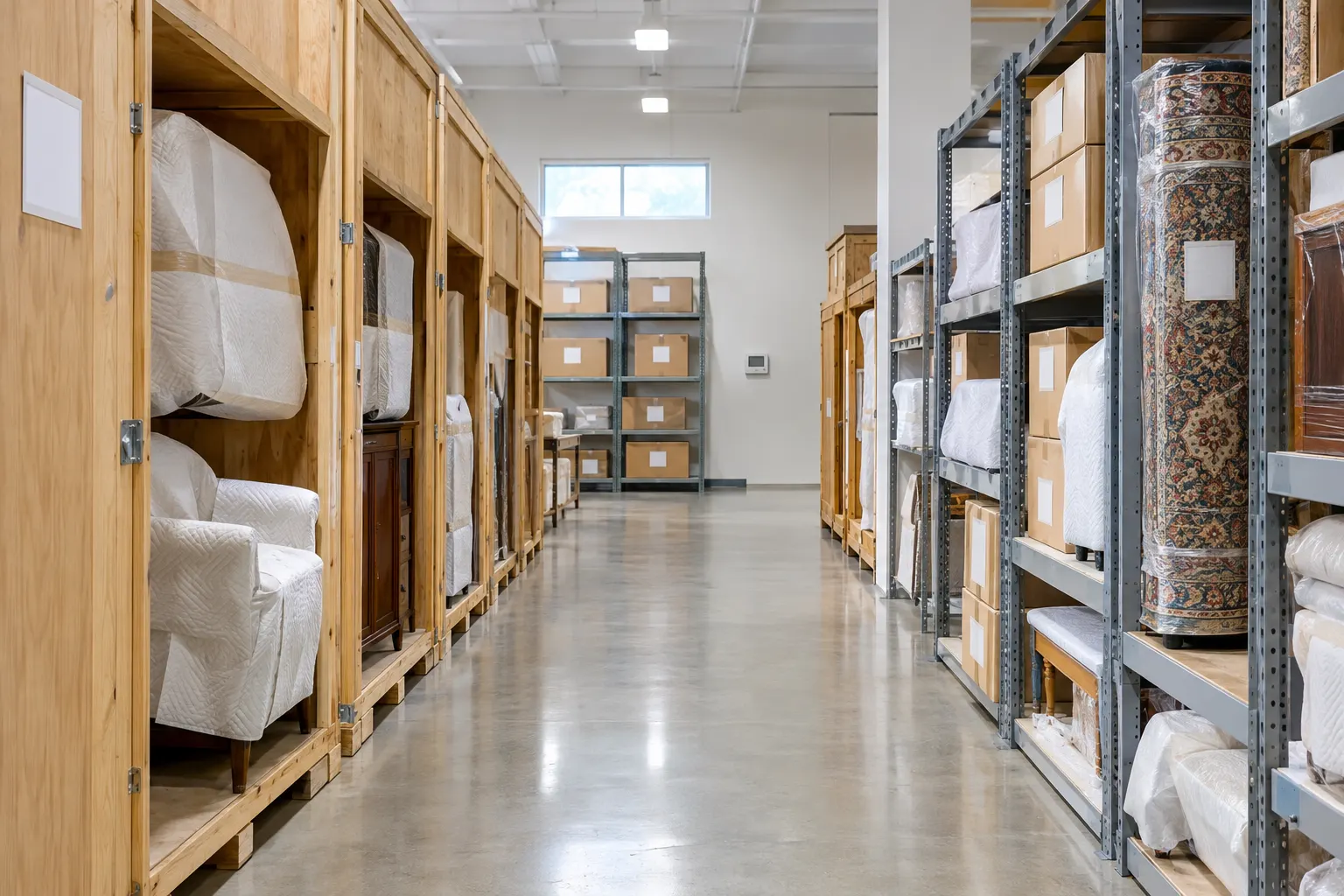
Wrapped furniture and labeled boxes in climate-controlled storage
Exhibit AReference / Guide

A complete pack-out inventory lists every item that leaves the home, room by room, with a photo, a description, its condition, and a tag or box number that ties it to a location in storage. It also records what stayed with you, what could not be restored, and when each item comes back. At 111, pack-out, storage, cleaning, deodorization, furniture handling, and pack-back are each kept as separate line items so your adjuster can review each one.

Before anything is moved

Each room is recorded on video as it stands. This shows the condition of the room and its contents before the pack-out begins, and it gives the inventory a starting point.

What each line includes

  • Room: where the item came from.
  • Description: what it is, with brand or details where they matter.
  • Photo: at least one, showing its condition.
  • Condition: as found, including visible damage.
  • Tag or box number: so it can be found in storage.
  • Handling: whether it goes for cleaning, deodorization, or storage only.

Why the work is split into separate items

Pack-out, storage, cleaning, deodorization, furniture handling, and pack-back are different tasks. Keeping them as separate line items lets you and your adjuster see exactly what was done to which item, instead of one combined charge.

What stays with you

Medications, documents, jewelry, phones, laptops, and daily essentials usually stay with you. The inventory notes what you kept, so nothing looks missing later.

Items that cannot be restored

They are photographed and listed before anything is discarded. Nothing is thrown away without a record.

Pack-back

When the home is ready, items return to the room they came from. The inventory is used to check items back in, so you can see that everything that left has come home. See our contents service, or view the document layouts on our sample file page.

This guide is general information, not insurance or legal advice. Updated November 2026.

FAQ

Related questions

Do I get a copy of the inventory?

Yes. The inventory is part of the file you receive, and you can share it with your insurance company.

What if I need something while it is in storage?

Talk with your project contact. Because every item has a tag or box number and a storage location, specific pieces can be found.

Open a file

Water or fire damage? Talk to a team member.

We respond 24 hours a day. Send the short form and a team member will call you back within 90 minutes. We come out, look at the damage, and give you an honest assessment. There is no pressure to sign anything on the first visit.

What goes in your file

  • 01An honest assessment. A team member looks at the damage in person and tells you plainly what we see and what we recommend.
  • 02A written scope before work starts. You know what we plan to do and why, and you can share it with your insurance company.
  • 03Photo and video documentation. Every affected area is recorded before, during, and after the work.
  • 04Moisture readings and drying records. Logged on each visit until materials reach their drying goals.
  • 05A room-by-room contents inventory. When contents are packed out, each item is listed, photographed, and tracked.
  • 06A closeout file. Photos, readings, inventory, scope, and the signed completion record in one place.

See our process

Intake sheetForm 111-A

Request a call back

Tell us where and what happened. Required fields are marked.

Send the form and a team member will call you back within 90 minutes. We use your details only to respond to this request. See our privacy notice.

Request a call back